Syllabus: NT Road Users’ Handbook (2026)
NT Theory: Full Practice Test B
Complete practice set for the Northern Territory Learner’s Theory Test.
Part 1: General Knowledge
20 Practice Questions
Part 2: Road Rules
10 Practice Questions
Question Format
Multiple Choice (30 Total)
⚠️ Practice Mode: This is a relaxed study session. You can complete all 30 questions to review the correct answers, even if you make a mistake.
Start Practice Test B
Ready to master the questions?
A car is carrying a driver and 3 adult passengers. There are seat belts in all seating positions. By law, seat belts must be worn by:
All four people.
Only the driver and front seat passenger.
Only the driver.
Every person in the vehicle must wear a seat belt if one is available for their seat, regardless of where they are sitting.
In this diagram both vehicles O and P must pass through GIVE WAY signs before entering the intersection. Which vehicle goes first?
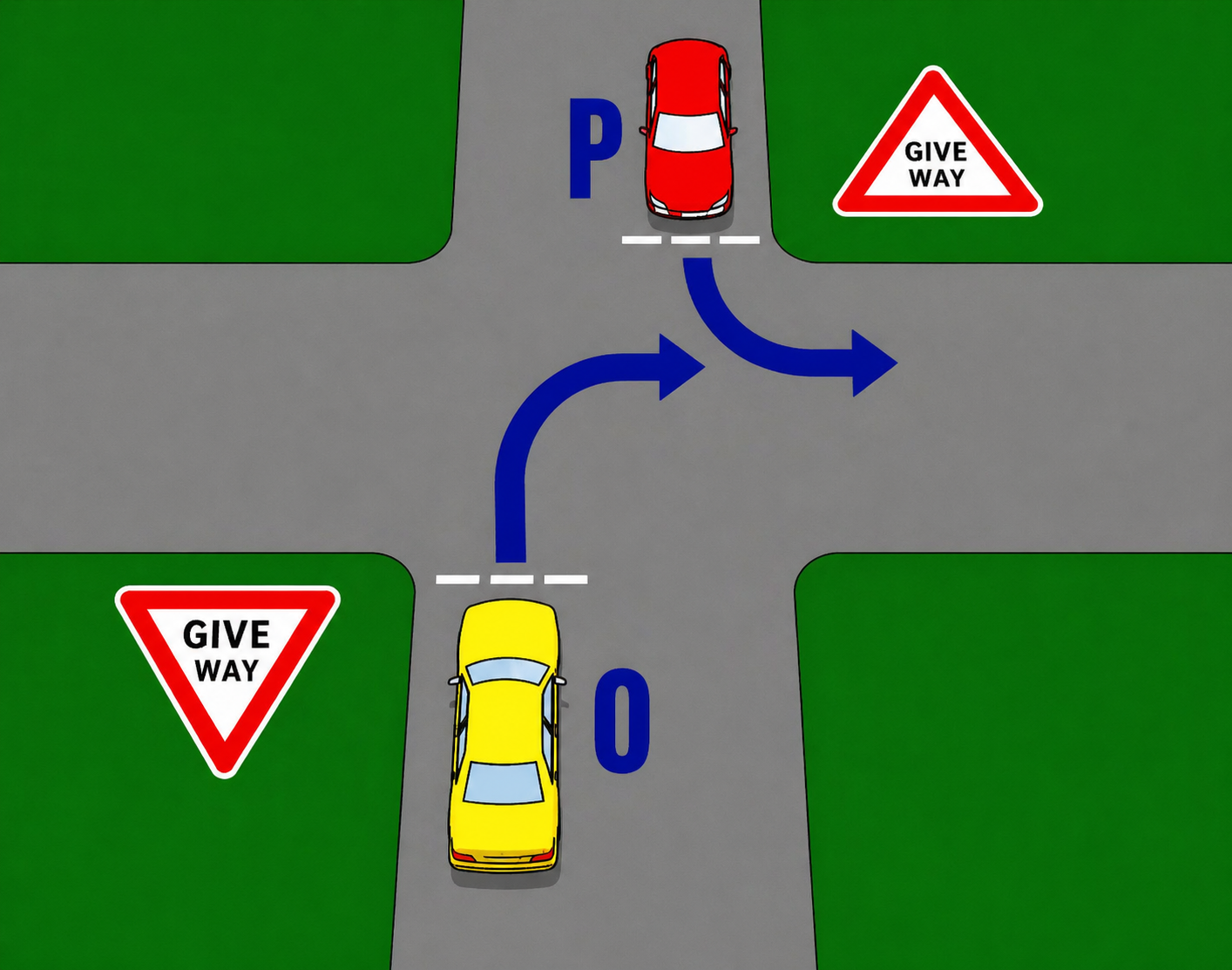
It depends on who moves first.
Vehicle P goes first.
Vehicle O goes first.
When two vehicles face each other at GIVE WAY signs, the vehicle turning right (Vehicle O) must give way to the oncoming vehicle turning left (Vehicle P) into the same road.
If you are overtaking a motorcycle you should:
Give plenty of room and overtake only when safe.
Sound your horn flash your lights before you overtake.
Overtake as close as possible, to avoid going fully into the oncoming lane.
Motorcycles need a full lane's width for safety. Overtake them with a wide berth to avoid destabilizing them with wind or contact.
When passing a cyclist in speed zones over 60km/h, what is the recommended passing distance?
1.5 metres.
Stay as close as possible.
1 metre.
For the safety of cyclists, you must maintain a minimum gap of 1.5 metres when overtaking them in zones where the speed limit is above 60km/h.
When there are no arrows marked on the road, left turns must be made from:
The far left-hand side of the road.
Either side of the road.
The middle of the road.
To ensure a safe turn and avoid obstructing other traffic, you must position your vehicle as close as possible to the left-hand boundary of the road before turning left.
The faster the vehicle in front of you is travelling:
Less time you need to overtake.
Closer you must get before starting to overtake.
More distance and time you need to overtake.
If the lead vehicle is moving fast, you must travel significantly faster than them to pass, which requires a much longer stretch of road and more time to complete the maneuver safely.
You are driving in busy traffic in an 80 km/h zone. It begins to rain lightly. What should you do?
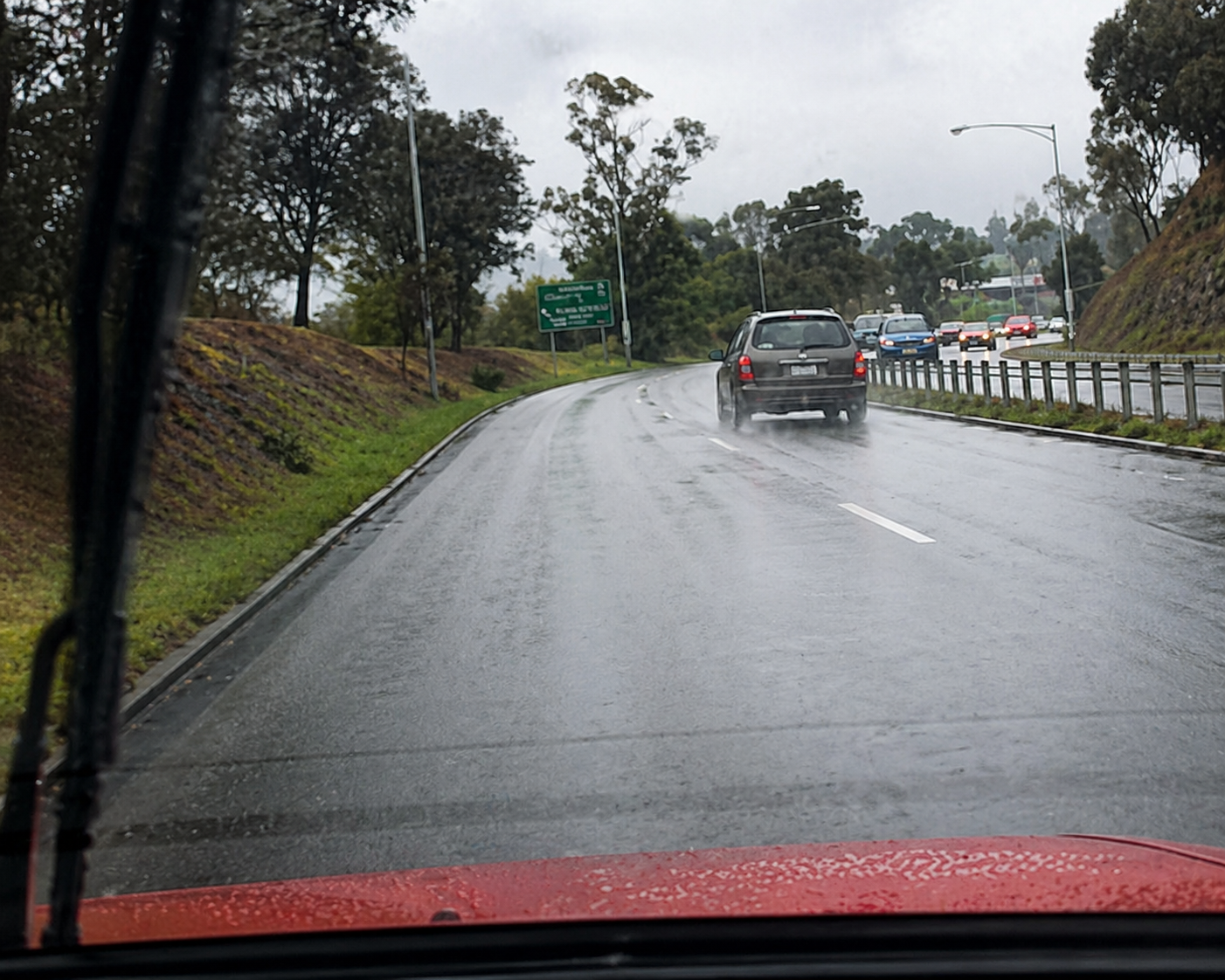
Slow down to a speed that suits the conditions.
Pull over and wait till it stops raining.
Keep going at the same speed because that's how fast the signs tell you to drive.
Light rain can make road surfaces slippery and reduce visibility. You must adjust your speed downward to maintain control and a safe following distance, regardless of the posted limit.
If you hold a learner or provisional licence class what is the Blood Alcohol Concentration (BAC) limit?
0.05.
Zero.
0.02.
Learner and Provisional drivers are subject to a strict zero alcohol limit. This means you must not have any alcohol in your system while driving.
When driving in wet weather, you should:
Drive in the middle of the road to avoid splashing pedestrians on the footpath.
Stop and help aged pedestrians across the road.
Watch out for pedestrians, who may hurry and take risks.
In wet weather, pedestrians often focus on staying dry and may run across the road or have their vision obscured by umbrellas, making them less likely to see your vehicle.
Generally, if you hear the siren of an emergency vehicle you should:
Immediately come to a stop.
Pull over to the left until the emergency vehicle passes.
Let the emergency vehicle pass and follow it closely behind.
You must move out of the path of an emergency vehicle to allow it to pass safely; pulling to the left is the standard procedure to clear the way.
What does this sign mean?
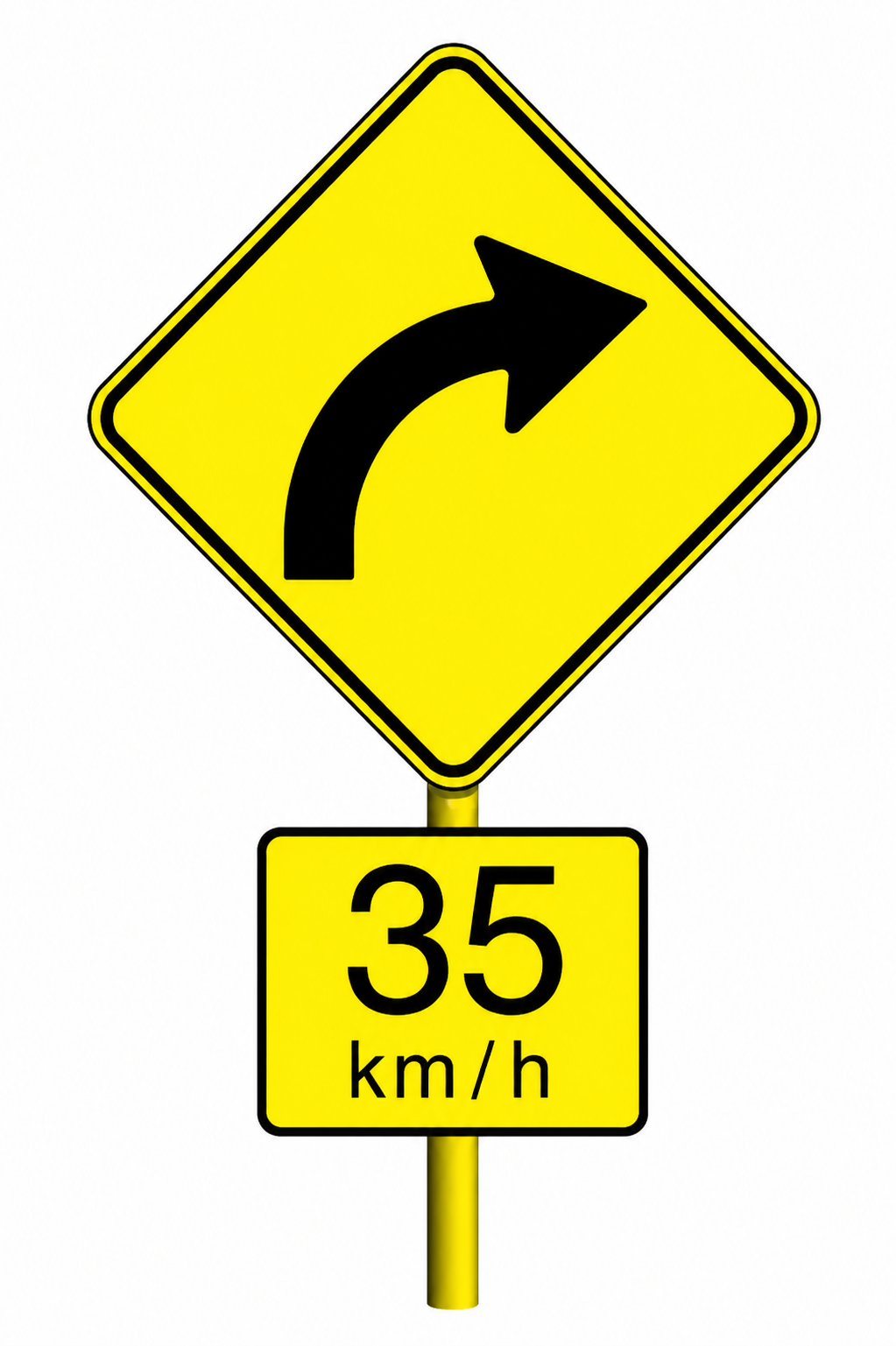
Next main town 35 km to the right.
Slow down, the maximum safe speed around the next curve in the road is 35km/h.
Winding road ahead for next 35 km.
This advisory sign warns of a sharp curve ahead and recommends a maximum speed of 35km/h to navigate it safely under good conditions.
If turning right at a T-intersection (as shown) do you have to give way to vehicles approaching from both the left and right?
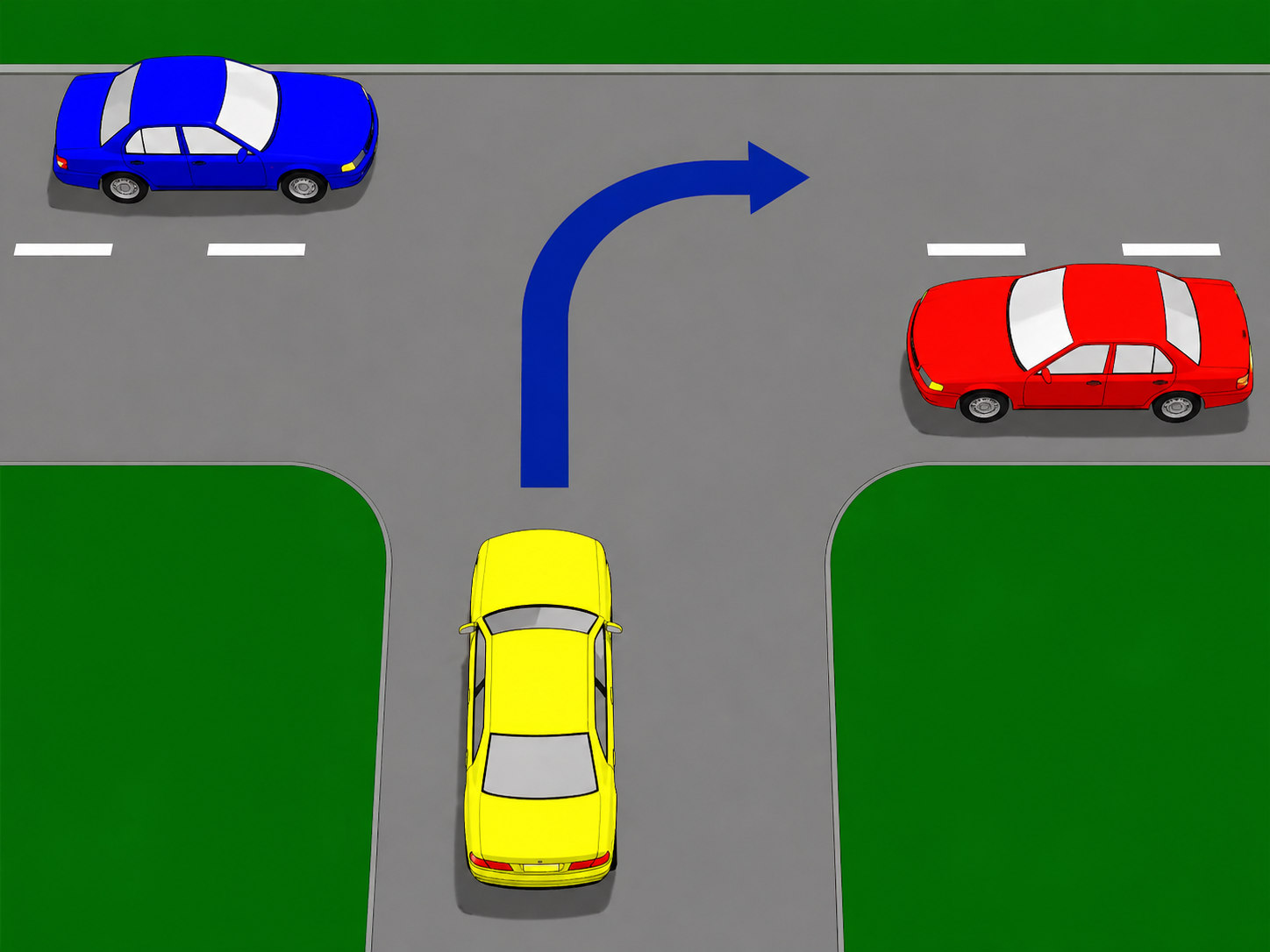
Yes, whether they are turning or not.
No, you have right of way.
No, only the vehicle on the right.
At a T-intersection, the driver on the road that ends must give way to all vehicles traveling along or turning from the continuing road.
You must use your indicator lights when:
Driving across a railway level crossing.
Changing lanes.
There is a right-hand bend in the road.
You must signal your intention whenever you plan to change your line of travel, including moving from one lane to another, so that other drivers can anticipate your movement.
When you come across roadworks:
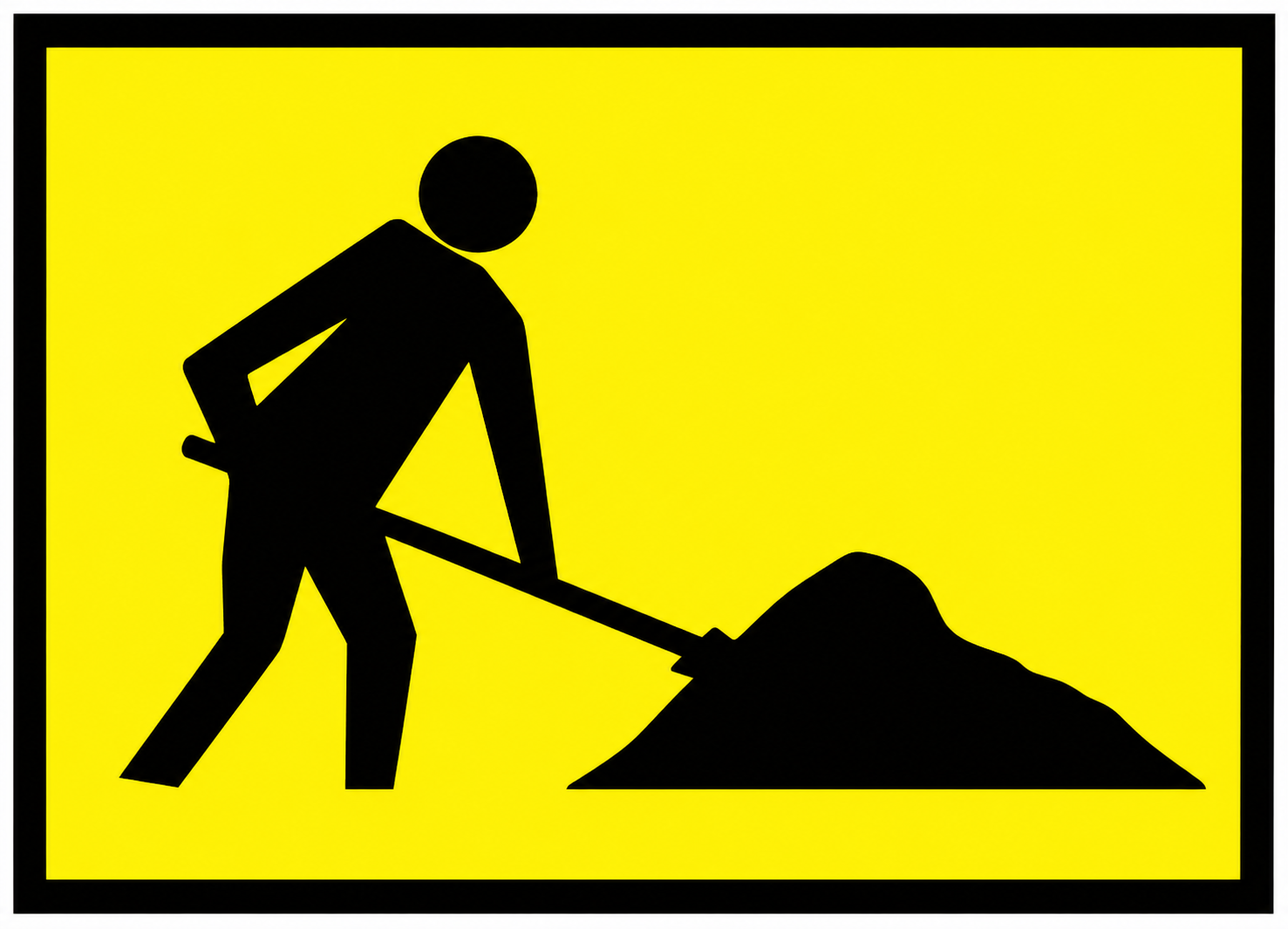
You only have to obey the signs during working hours.
You only have to obey the signs when there are workers about.
You must obey the signs that are displayed at all times.
Roadwork signs are legally binding at all times they are displayed to ensure the safety of road users and workers, regardless of whether work is actively occurring.
What is the safest way to stay under the legal alcohol limit?
Not drinking any alcohol.
Buying a breathalyser (alcohol measuring instrument).
Exercising and drinking black coffee.
The only certain way to ensure you are under the legal limit and not impaired is to avoid consuming alcohol entirely before driving.
You are travelling in the left lane and wish to turn right at the intersection. You move to the right lane and a driver behind sounds their horn at you. What have you done wrong?
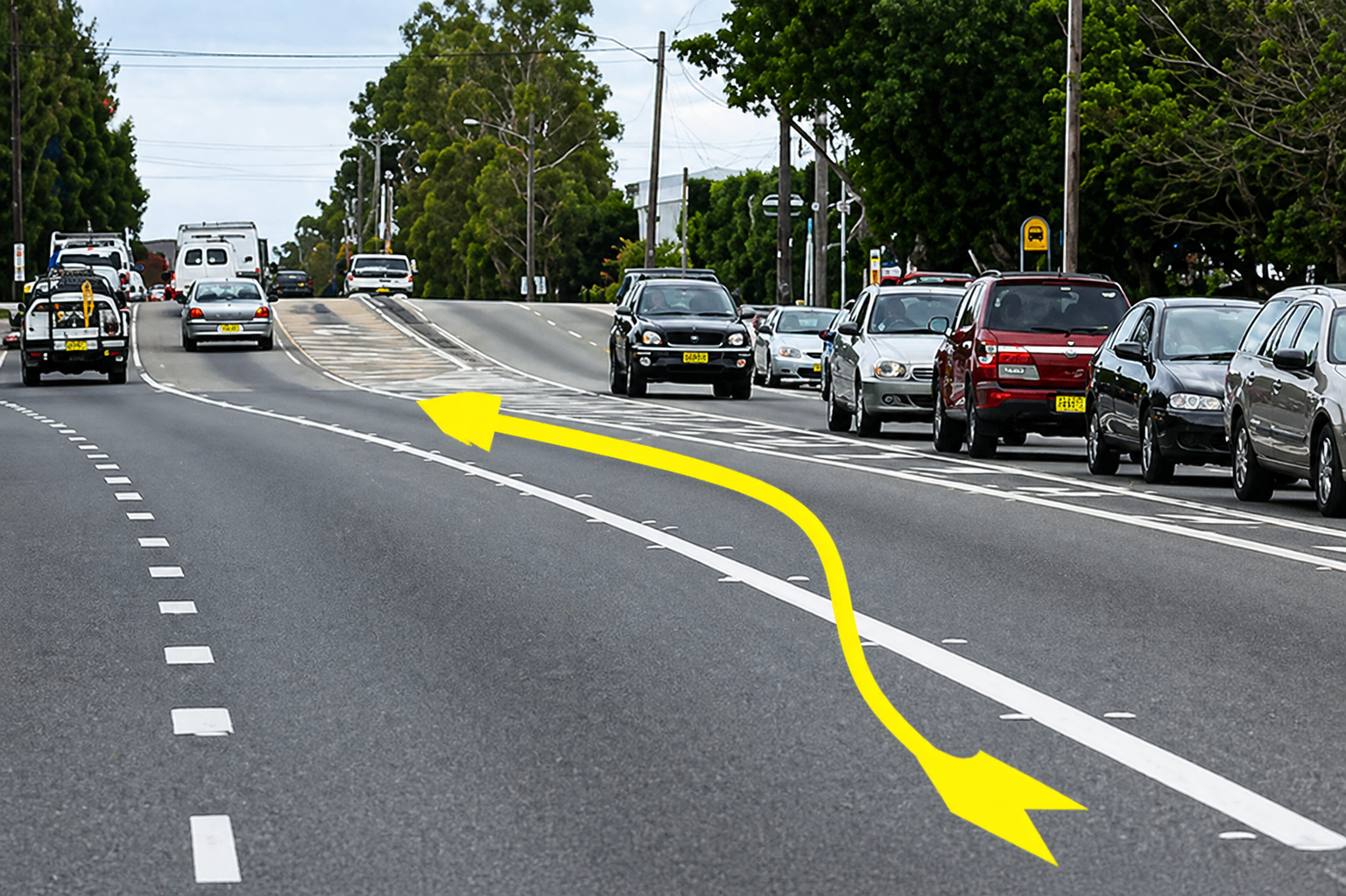
Changed lanes unnecessarily.
Crossed an unbroken lane line.
Driven too slowly.
You must not cross a continuous white line between lanes. If you need to change lanes, you must do so before the line becomes solid as you approach the intersection.
You come to an intersection that does not have traffic lights or signs. How do you decide when to drive straight ahead?
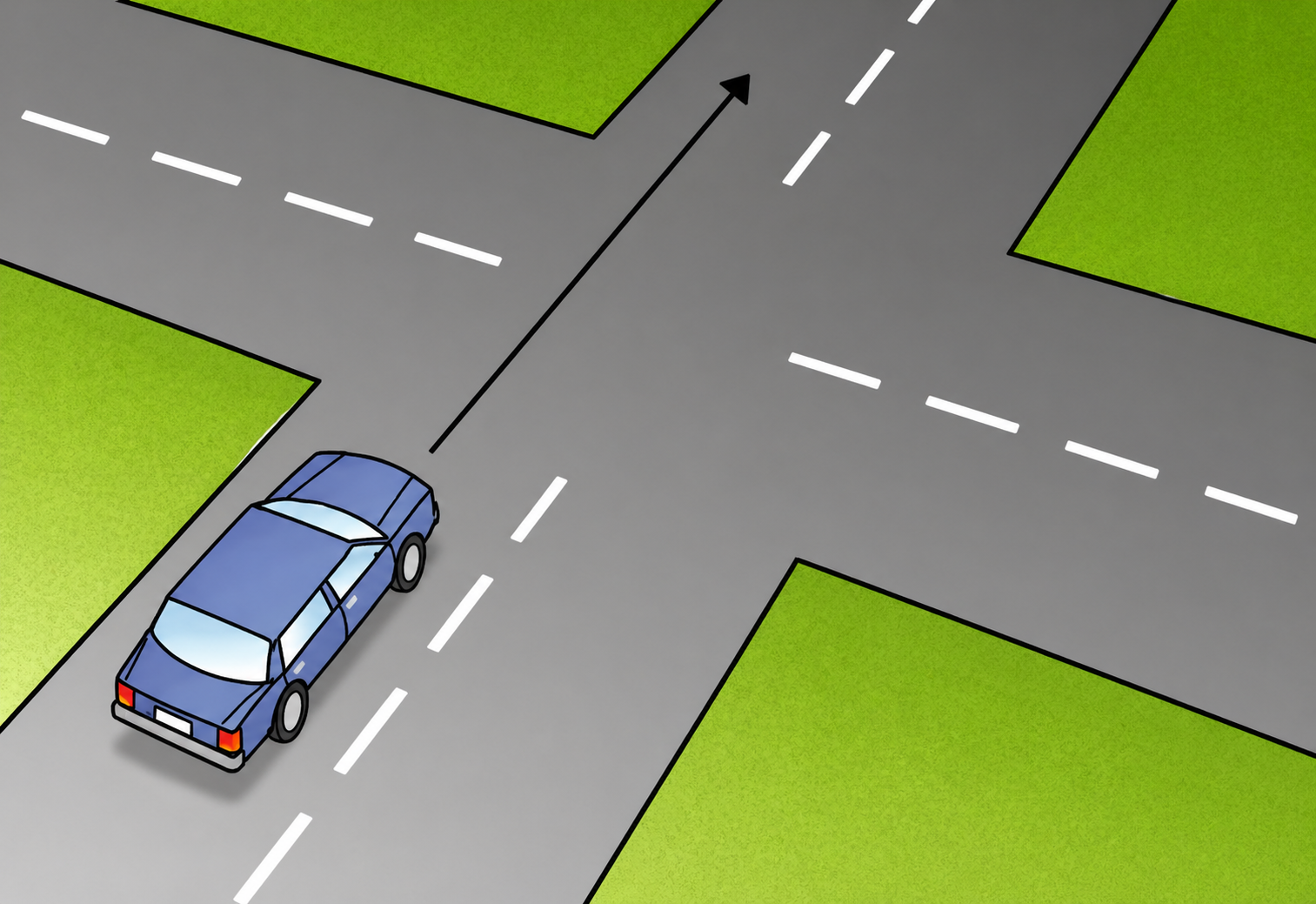
Wait until all traffic has left the intersection.
Whoever gets there first can go.
Slow down and give way to traffic going into the intersection on your right.
At an uncontrolled intersection (no signs or lights), you must give way to any vehicle approaching or entering the intersection from your right.
You are in car marked A. You wish to overtake car marked B. You should:
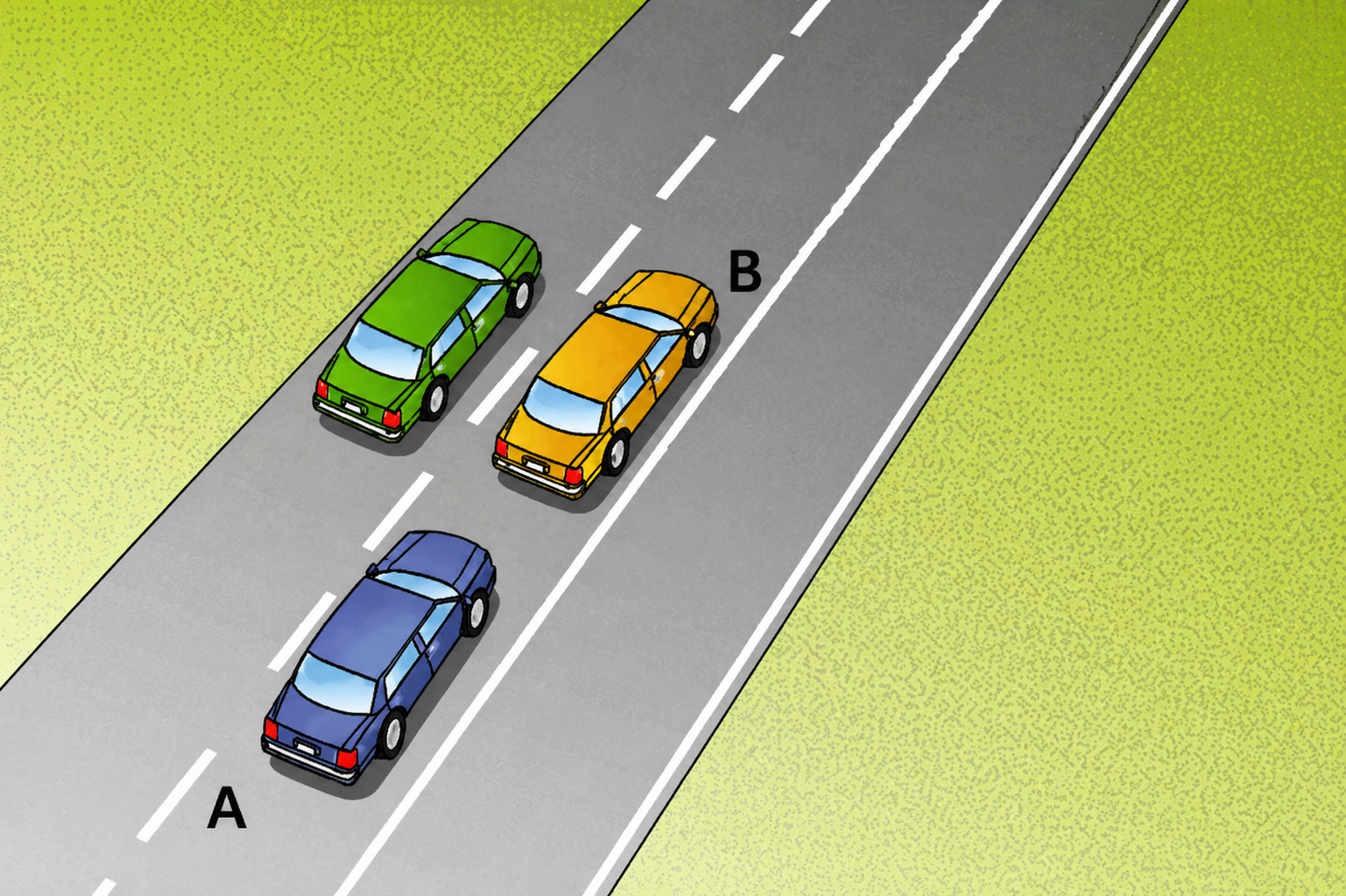
Cross the unbroken single line and overtake.
Wait behind car B until it moves into the left lane.
Cross the line and overtake only if it is safe.
An unbroken (solid) line means you must not cross it to overtake. You must stay in your lane until the vehicle ahead moves over or the line becomes broken.
In which of the situations shown are you permitted to do a U-turn?
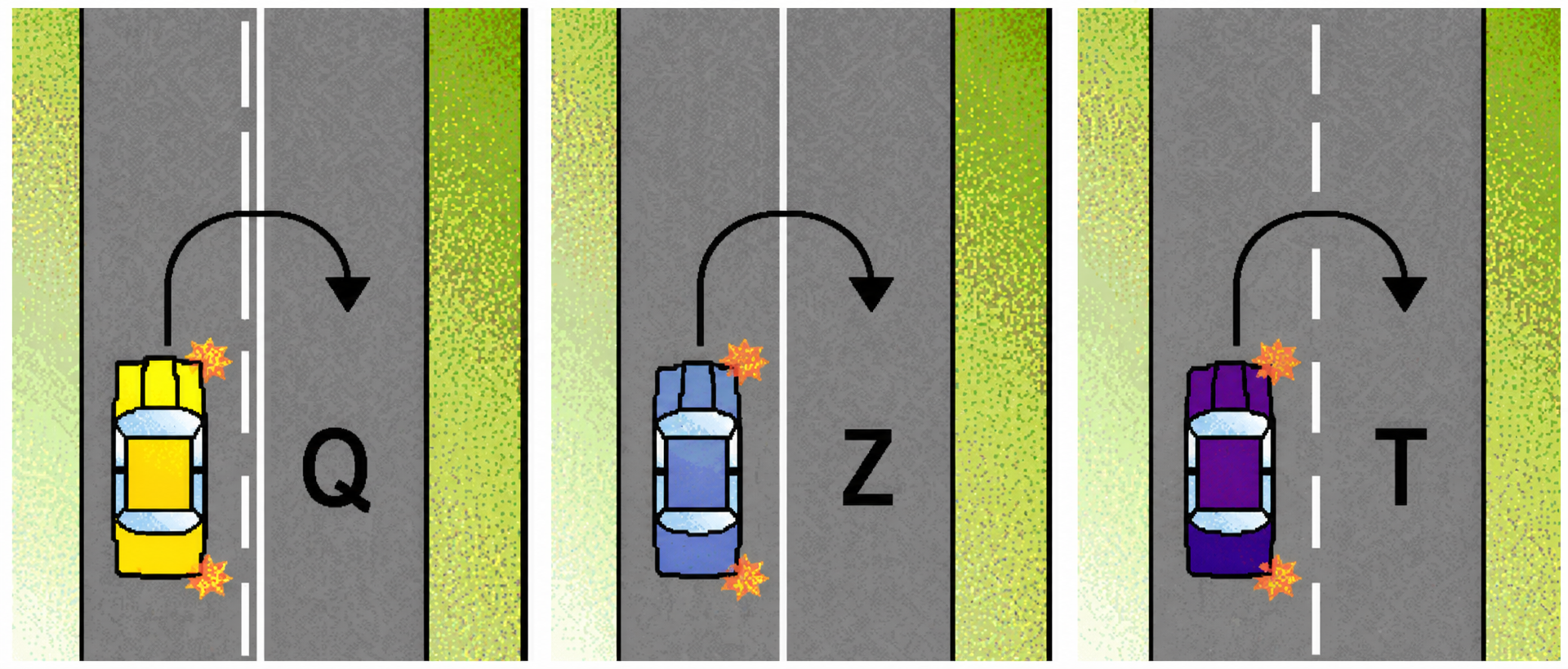
Only turn shown in situation T is permitted.
Turns shown in situations Q and T are permitted.
Turns shown in situations T and Z are permitted.
You are only allowed to make a U-turn across a single broken (dashed) line. You must not cross a single continuous line (Q) or double continuous lines (Z) to make a U-turn.
If you are caught street or drag racing three times, which one of the following penalties could apply?
You will have to pay for the storage of your vehicle.
You will not be able to register your vehicle again.
Your vehicle may be taken away and sold.
For repeat high-level traffic offenses like street racing, authorities have the power to seize and permanently forfeit your vehicle, which may then be sold or crushed.
On a road with a maximum speed limit of 110 km/h, a learner driver or rider must not drive faster than:
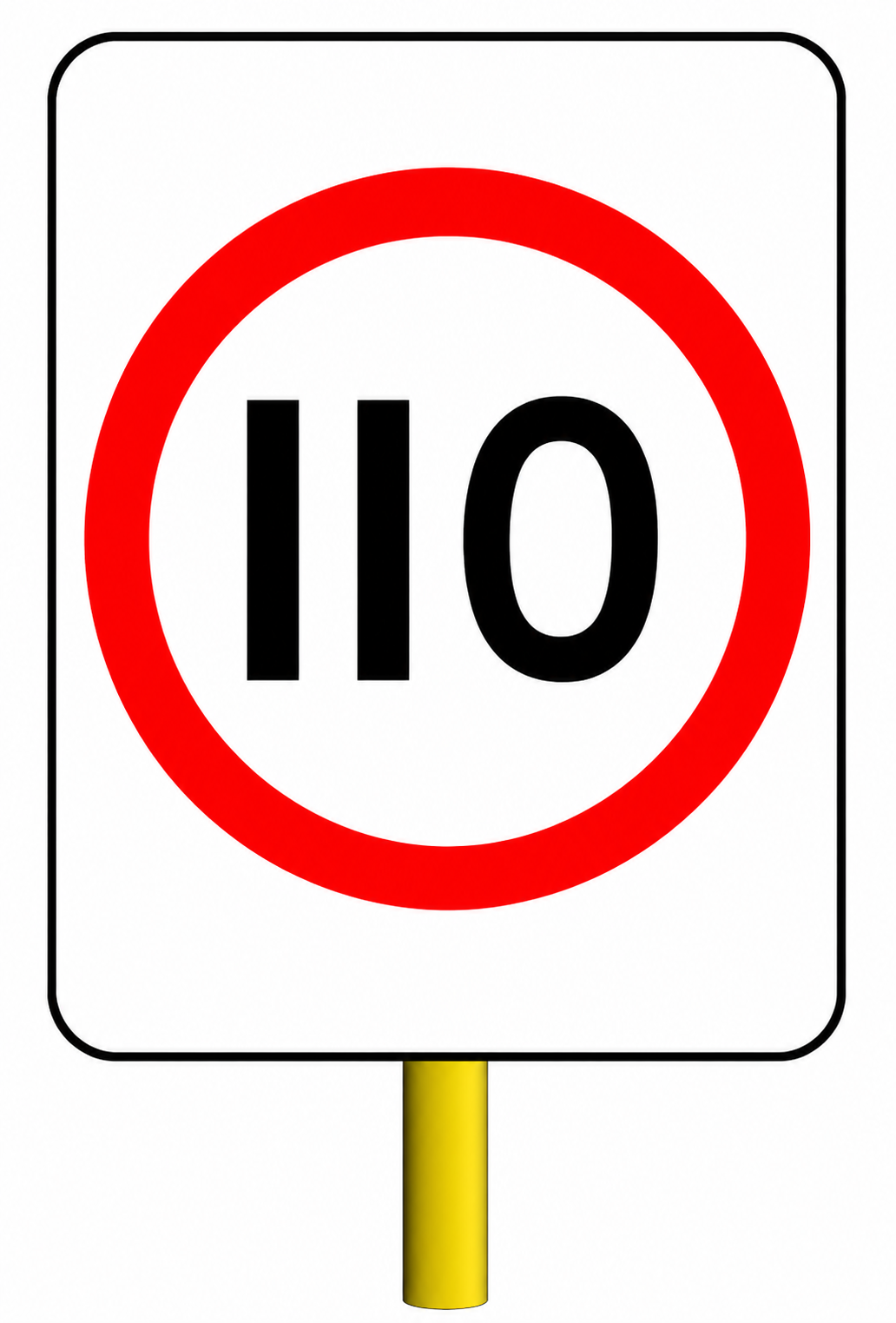
80 km/h.
100 km/h.
110 km/h.
In the Northern Territory, learner drivers must not exceed a maximum speed of 80 km/h, even if the posted speed limit on the road is higher (such as 110 km/h).
A vehicle ahead of you has stopped at a pedestrian crossing. You:
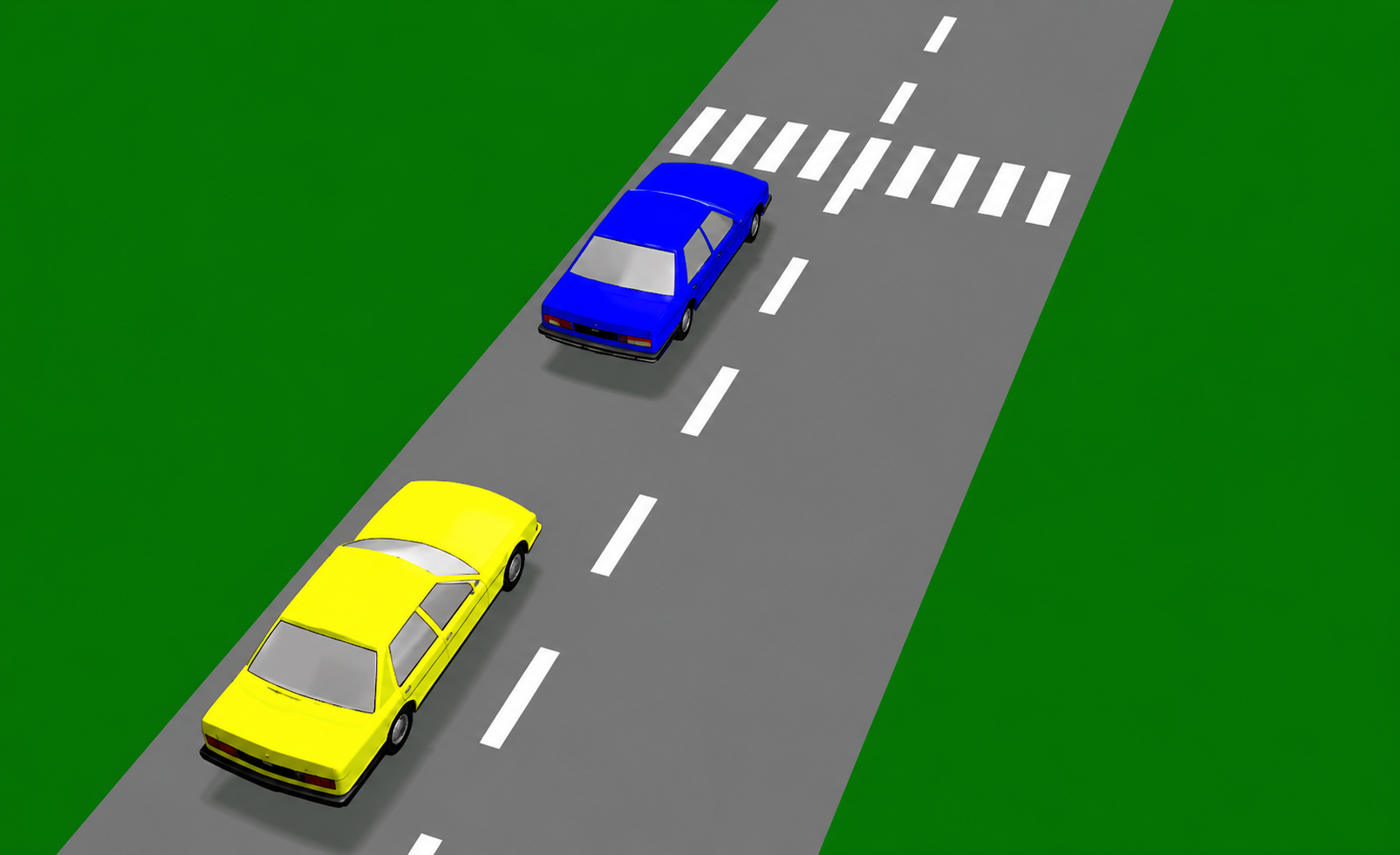
Must not overtake the stopped vehicle.
May overtake the vehicle provided no cars are coming the other way.
May overtake the vehicle if there are no pedestrians on the crossing.
It is illegal and dangerous to overtake a vehicle that has stopped at a pedestrian crossing, as they have likely stopped to let someone cross who may be hidden from your view.
What does this sign mean?
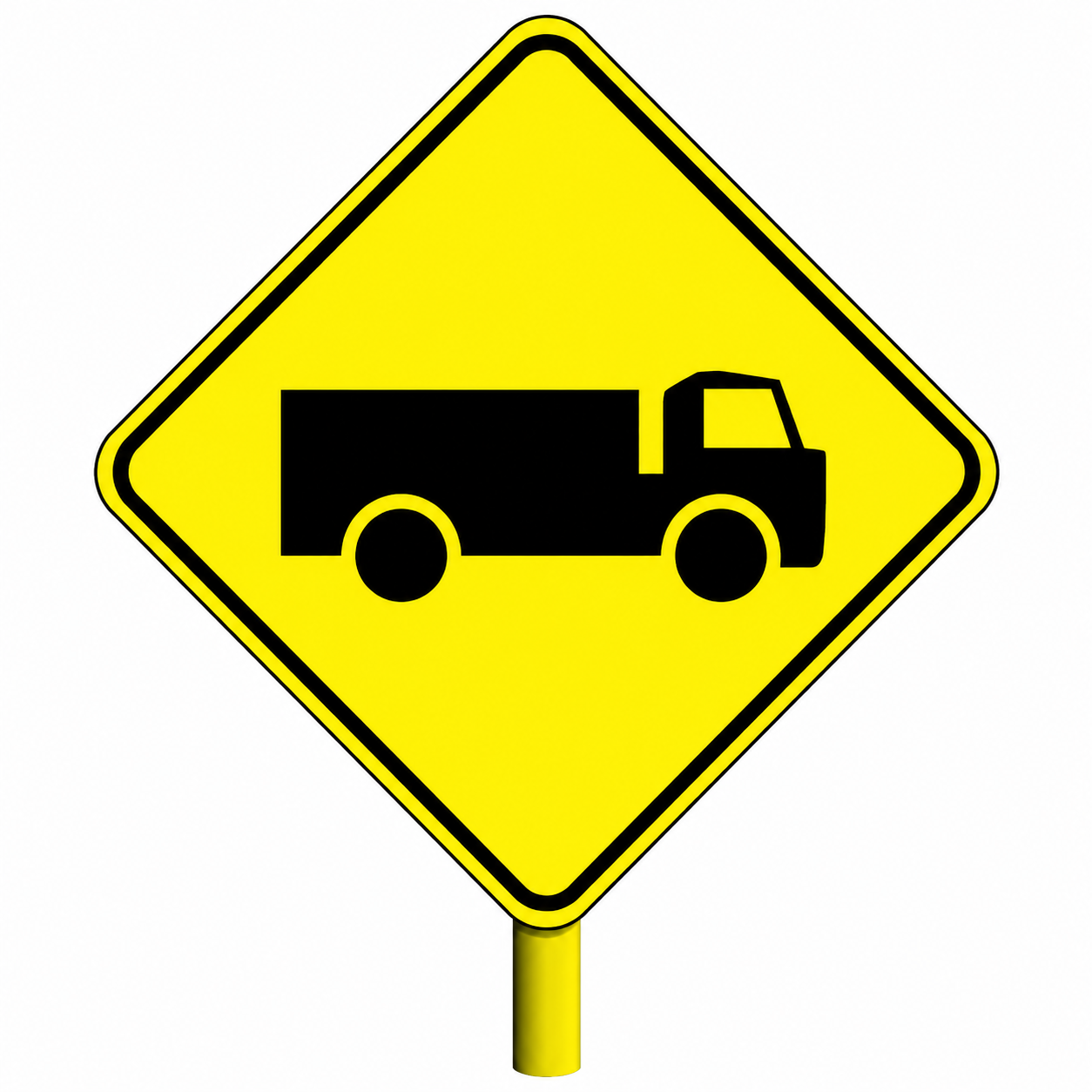
Slow down and beware of trucks entering from the side.
Heavy vehicle checking station ahead.
Trucks must use low gear.
This warning sign indicates that trucks may be entering or crossing the road ahead. You should reduce your speed and stay alert for large vehicles joining the traffic flow.
What does this sign mean?
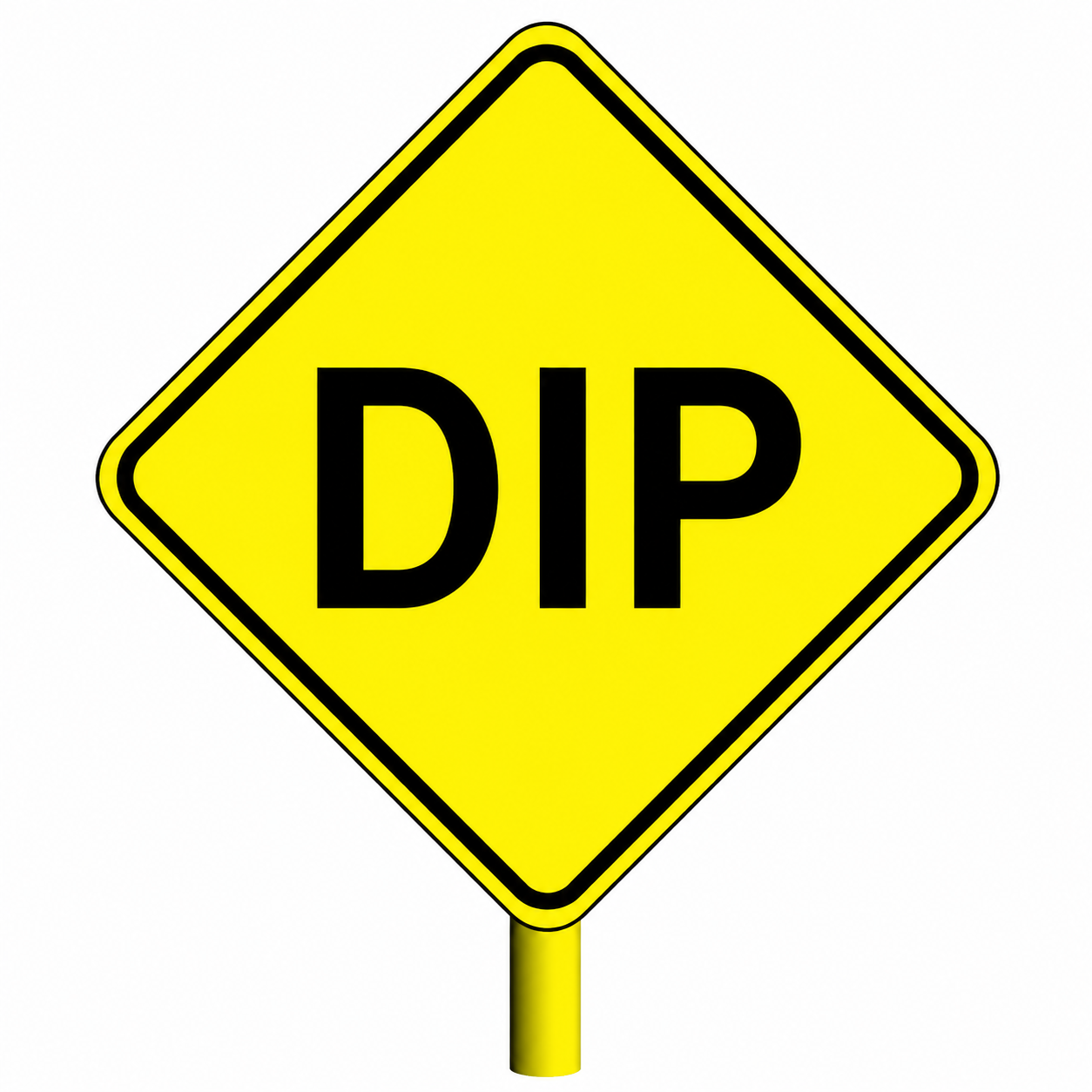
Do not drive with your lights on high beam.
A sharp depression in the road is ahead, be prepared, slow down.
Police station ahead.
This sign warns of a sudden dip or depression in the road surface. Slowing down prevents damage to your vehicle and loss of control.
Are you permitted to drive a car towing more than one trailer?
Yes, if the combined length of vehicle and trailers does not exceed 15 metres.
Yes, provided you have held a licence for two years.
No, not at all.
Under a standard car driver's license, you are only permitted to tow one trailer at a time. Towing multiple trailers requires specific heavy vehicle endorsements and configurations.
Babies under 6 months old must travel:
In an approved baby restraint (e.g. baby capsule) attached to an anchorage point.
In the front seat using a seat belt.
In the front seat with a parent.
Infants under 6 months must be in a rear-facing approved restraint properly fixed to anchorage points for safety.
When driving in wet weather, your vehicle will:
Handle better, so you can go faster.
Take longer and more distance to stop, so slow down.
Stop in the same distance as on a dry road.
Wet roads reduce tyre grip and increase braking distance; slowing down and increasing your following distance is essential for safety.
You are in car A and are going straight ahead through the intersection. Who should give way?
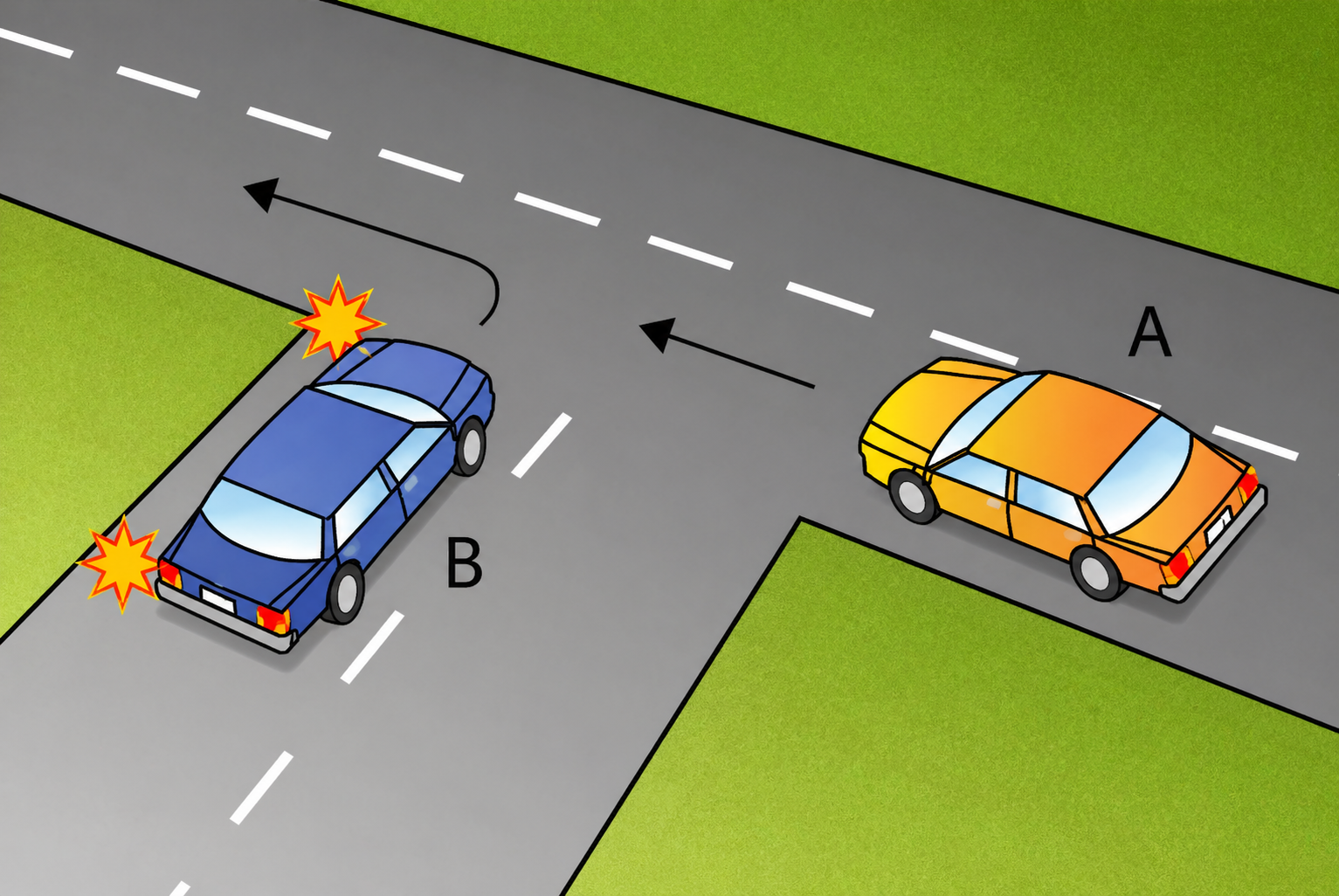
Whoever gets to the intersection first.
Car A.
Car B.
When two vehicles approach an intersection from opposite directions, the vehicle turning right must give way to the vehicle going straight ahead.
If there are no signs or markings to advise you, can you choose any of these methods of parking?
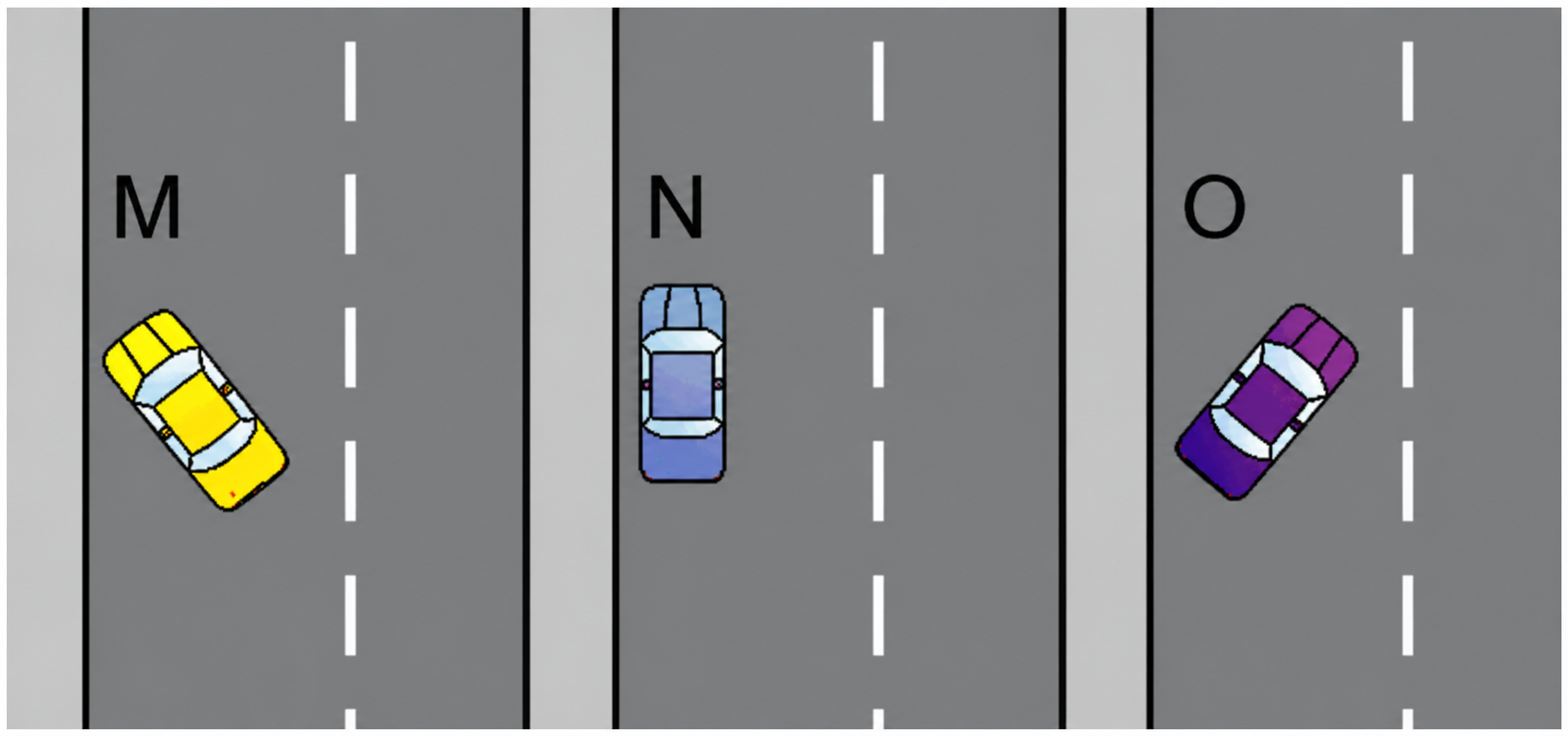
Yes. M, N and O are all legal.
Yes, N is best but M and O are quite legal.
No, only N is correct.
Unless signs or markings specify otherwise, you must park parallel to the curb (as shown in vehicle N) to avoid obstructing the road.
If you take medicine and then drink alcohol:
The alcohol will have less effect than if taken alone.
Your ability to react to emergencies will improve.
It can have a bad effect on your driving ability.
Combining alcohol and medicine can multiply the impairing effects of both, significantly decreasing your coordination and reaction time.